Introduction
The role of a police misconduct lawyer is pivotal in ensuring that victims of police brutality receive the justice they deserve. This article delves into the essential qualities that distinguish the top police misconduct lawyers from the rest. Understanding these attributes will not only help victims find competent legal representation but also aid in the broader fight against police misconduct.
Understanding Police Misconduct
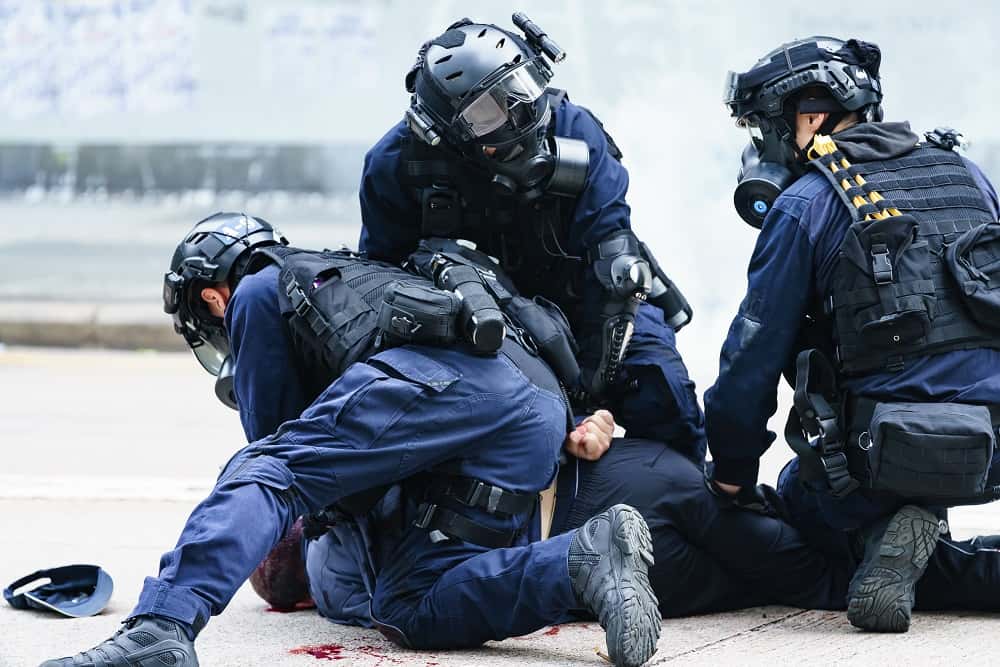
Police misconduct is an umbrella term that encompasses a range of actions by law enforcement officers that violate victims' rights and freedoms. Common examples include:
- Excessive force False arrests Racial profiling Unlawful searches and seizures
Each of these actions can severely impact individuals and communities, undermining public trust in law enforcement and the justice system.
Why You Need a Police Misconduct Lawyer
Victims of police misconduct often find themselves in a complex legal situation. A specialized police misconduct lawyer brings valuable expertise to the table. Here are some of the reasons why hiring such a lawyer is crucial:
- In-depth Knowledge of Laws: A police misconduct lawyer possesses a comprehensive understanding of both federal and state laws regarding police liability. Experience with Similar Cases: Lawyers who specialize in police misconduct typically have a track record of handling similar cases, which means they know what to expect and how to navigate potential challenges. Legal Strategy Development: A skilled lawyer can assess the specifics of a case and develop a tailored strategy to maximize compensation and achieve justice.
Qualities of a Top Police Misconduct Lawyer
While many lawyers may claim proficiency in police misconduct cases, only a select few truly excel. Here are the key qualities you should look for when selecting a police misconduct lawyer:
1. Empathy
Empathy is one of the most critical qualities for a police misconduct lawyer. These cases often involve significant emotional trauma and personal suffering. A lawyer who genuinely understands the emotional and psychological toll these experiences can take on victims will provide more than just legal advice—they will offer the support that is crucial during such a difficult time.
For instance, when a lawyer takes the time to listen to a client's story and acknowledges their pain, it not only helps build a strong attorney-client relationship but also allows the lawyer to advocate more effectively on the victim's behalf. This level of empathy can be particularly important during depositions or courtroom appearances, where the emotional weight of the case can influence outcomes.
2. Expertise in Relevant Laws
A deep understanding of civil rights law is essential for any top police misconduct lawyer. This area of law is intricately tied to constitutional rights, including the Fourth, Fifth, and Fourteenth Amendments, which protect citizens from unreasonable search and seizure, self-incrimination, and guarantee due process.
A lawyer who is well-versed in these laws can help victims identify instances of misconduct and successfully argue their cases in court. For example, if a victim has experienced excessive force during an arrest, a knowledgeable lawyer can cite relevant precedents, demonstrating how their situation aligns with prior rulings.
3. Strong Negotiation Skills
Police misconduct cases often involve negotiations with insurers or government entities. A top lawyer must possess strong negotiation skills to advocate for their client effectively. This means being able to communicate clearly and persuasively, not just about the facts of the case but also about the emotional aspects that make a client's situation unique.
For instance, in a case involving police assault, the lawyer may need to negotiate for damages that cover medical expenses, psychological support, and lost wages. Their skills will be crucial in presenting a compelling argument for the level of compensation required.
4. Proven Track Record of Success
When evaluating potential police misconduct lawyers, reviewing their track records can provide significant insight. A lawyer with a history of successful outcomes in similar cases demonstrates their capability and reliability. Look for testimonials, case studies, or even verdict records that showcase law firm specializing in police misconduct their ability to advocate effectively for victims.
Having past experience with settlements or favorable jury verdicts will provide reassurance that the lawyer has the prowess to take on the complexities of a misconduct case. Additionally, it can indicate their capability to tackle possible Experienced civil rights lawyer appeals or other legal challenges that may arise.
5. Strong Communication Skills
Effective communication is paramount in legal proceedings. A police misconduct lawyer must be adept at explaining complex legal concepts and communicating them in a way that clients can understand. This quality allows clients to make informed decisions and feel involved in their cases.
Moreover, a lawyer with strong written and oral communication skills can present compelling arguments in court and negotiate effectively with opposing counsel. Ensuring that legal documents are clear and understandable is also critical to the execution of a case.
6. Passion for Justice
A top police misconduct lawyer will display a genuine commitment to justice. They should not only view their role as a job but also as a mission to uphold civil rights and advocate for the underrepresented. This passionate approach fuels their dedication to fighting against systemic misconduct and brutality.
Lawyers driven by a sense of justice often go the extra mile to ensure their clients receive fair treatment. They engage in community awareness initiatives, participate in civil rights groups, and address the broader implications of their cases on society.
Legal Representation for Victims of Misconduct
Finding the right police misconduct lawyer requires careful consideration. Several factors can help guide prospective clients in their search:
- Referrals: Speaking with friends, family, or colleagues who have experience in similar legal matters can lead to reputable referrals. Research: Online research, including reviews and ratings, can provide valuable information about a lawyer's reputation and skillset. Consultations: Scheduling consultations with potential lawyers allows victims to assess their approach, empathy level, and communication style.
Conclusion
Selecting a police misconduct lawyer is a significant decision that can affect the outcome of a case. By seeking legal representation characterized by empathy, expertise, negotiation prowess, and a passion for justice, victims can empower themselves in the pursuit of accountability. Always ensure that the lawyer's qualifications align with the complexities of your unique situation for the best chance of a just resolution.
Understanding that police misconduct can have long-lasting effects, both physically and emotionally, is crucial for any legal process. A top police misconduct lawyer will not only fight for their client's legal rights but also emphasize the human aspects of these cases, ensuring that victims feel heard and supported every step of the way.